

HEALTH IMPLICATIONS OF CAGED ANIMALS AS OPPOSED TO ROAMING PASTURED GRASS FED.
 Earned FAO, WFP, WORLD BANK, IFAD, IDA, UN, ROCKEFELLER FOUNDATIONS, USAID, UNIICEF, UNSDG, BBC NEWS, JAGABAN ARMY, PUNCH NEWSPAPERS, GUARDIAN NEWSPAPERS, TODAY REPORTERS, RIPPLES NEWS, NATIONAL ECONOMY, AIT, etc TopFan Barges.
Member NAAJ, PAAJ, IFAJ AND AFAN.
CONSULTANCY SERVICES IN HUMAN CAPITAL AND VALUE CHAIN DEVELOPMENT IN FOOD PROCESSING TECHNOLOGY Training the teeming youthful population including teirary institutions graduates.
Unlocking the power of adaptive social protection to end hunger and malnutrition.
The production and Processing of our food comes under scrutiny and suspicion.
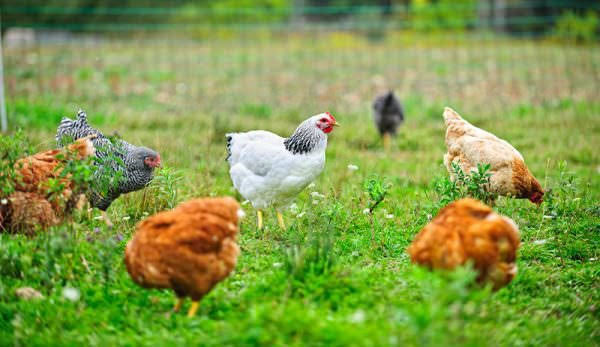
Eg. There are important health implications in eating a cut of meat from an animal that was grass – fed and that roamed the pasture as opposed to one that was grains – fed, kept in pens and injected with antibiotics and hormones.
Grass fed livestock is leaneand has higher amounts of good Omega 3 fats and lower amounts of bad fats than grain – fed livestock, which has high amounts of omega – 6 fats and potentially harmful chemicals. Similarly the wild salmon that eats ocean plants, plankton and small fish is filled with plenty of Omega – 3 and is
preferred to farm raised salmon than that fattened on grains. Unfortunately, more than half of the livestock we now eat are farmed. Same goes for poultry. Although an organic raised chicken raised without antibiotics, synthetic hormones or pesticide and fed organic feed is more preferred.
– PLANT & (pesticides ).
One can certainly extend this concept to the plant universe and include the importance of knowing where and how the plants derived foods were grown. Were they raised on nutrients depleted soil and sprayed with pesticides? or were they grown using sustainable agriculture techniques and biological pest control. These are more divergent views on the topic we are considering.
At WufasAgronet, we are competent and reliable Food Technologists into Human Capital and Value Chain Development Consultancy in Food Processing technology training the teeming youthful population including teirary institutions graduates in Global Competitiveness and International Best practices in Food Processing technology