

Danger: Oke Arin market and the time-bomb counterfeit Goya oil
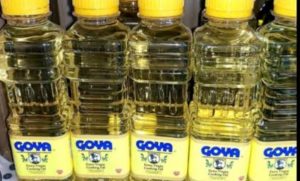
For users of Goya oil in Nigeria and West Africa by extension, serious caution must now be taken as counterfeit Goya oil products have flooded the market.
Sadly, for Christian brothers, sisters and mothers who have taken Goya oil as favourite and must-have-at-home for prayers and other attendant necessities, there is no better time to take caution than now.
The discovery of a production unit of counterfeit Goya oil harmful for human consumption and uses, being manufactured in an hideout at the popular Oke Arin Market, Idumota in Lagos, the area which is also notorious for production of counterfeit perfumes and wines is worthy of commendation.
Counterfeit cooking oil
Academics defined counterfeit or adulterated edible oil as oil deliberately misrepresented as a genuine brand (like Goya oil) but has been mixed, substituted, or produced with low-quality or unsafe ingredients. Counterfeiters may use cheap base oils, industrial oils, toxic substances, or recycled materials to cut costs and mimic the appearance of a real product.
Interestingly, a critical look at the Goya Oil showed a clear case of counterfeiting as the product has no traceable office address, neither does it have National Agency for Food and Drug Administration and Control (NAFDAC) registration number, something that most consumers don’t pay attention to, to determine whether the product is genuine or not. Unfortunately, while some carry NAFDAC registration numbers, a critical look at the number showed a clear case of forgery to deceive unsuspecting consumers.
Danger
Consuming fake Goya oil poses a serious danger, as dieticians have said counterfeit products like these, especially edible ones are capable of causing health complications, and unless the government does something fast about it, it becomes a time-bomb tickling to explode.
In other clime, reports indicate that counterfeit oil is dangerous for human consumption due to serious health risks associated with its use. Azadmard-Damirchi and Torbati highlighted a case of Spanish toxic oil syndrome, also known as Spanish olive oil disease, which resulted in over 600 fatalities because non-edible rapeseed oil was misrepresented as edible oil, even being sold as olive oil.
Additionally, there are other health concerns to consider. If a counterfeit oil contains specific allergens, like peanut oil, it poses a risk to individuals sensitive to peanut proteins.
The adultrated edible oil with argemone mexicana seed oil has been linked to cases of epidemic dropsy, as this oil contains toxic compounds such as Sanguinarine and Dihydrosanguinarine, which are alkaloids found in Argemone. Mixing argemone oil with edible oils can lead not only to epidemic drowsiness but also to serious conditions like glaucoma and vision loss. Furthermore, it has been reported that certain edible oil adulterants, including argemone oil and butter yellow, can increase the risk of gallbladder cancer.
The widespread availability of counterfeit edible oils carries significant risks, including cancer, paralysis, liver damage, and even cardiac arrest, as these oils are often heavily faked.
According to a study by Navya et al., edible oils that have been counterfeited with castor oil can lead to stomach issues. Conversely, those mixed with mineral oils can cause liver damage and introduce carcinogens into the body.
NAFDAC’s efforts so far
With a few recorded cases of health hazards associated with counterfeit oil in other climes, the job confronting NAFDAC is very critical.
Recalled that, recently, NAFDAC warned consumers of the danger of using Goya oil sold in PET bottles. The agency labelled them as fake and unsafe for human consumption following an investigation also carried out by the agency’s Investigation and Enforcement Directorate office in Lagos led by Dr Martins Iluyomade, Director of Investigation and Enforcement, who confirmed that NAFDAC does not license Goya oil in PET bottles.
“Goya oil in plastic bottles is counterfeit. The sole approved product is imported in original bottles via authorized dealers,” Iluyomade said.
According to him, NAFDAC had also confirmed mass production of counterfeit Goya Oil at Oke Arin Market and the production process encompasses a combination of tainted palm oil with dye and repackaged it as Goya oil for unsuspecting buyers.
“We discovered a factory producing fake Goya oil. Palm oil, colouring, stoves, and empty bottles were recovered at the site. Many Nigerians were unknowingly using the harmful counterfeit Goya olive oil packaged in plastic bottles.” He said.
He urged religious groups to prohibit the sale of PET-bottled Goya oil at gatherings, warning violators would face prosecution.
Call to action
While it is certain that NAFDAC will continue to run after counterfeiters, brand analyst urged the general public to report any other hideouts and groups that engage in such nefarious activities, to the nearest NAFDAC office, or police station to protect public health safety
They said that swift action is necessary considering that Goya oil is widely used for anointing in churches and for other spiritual protection. It is also used as a premium culinary oil for cooking and used as a base for salad dressings while not forgetting its uses as a natural skin moisturizer.
While it is heartwarming that NAFDAC has arrested one suspect, Moses Nelson, in connection with the counterfeit products, and possessed PET-bottled alcohol and empty exotic alcohol bottles and sachets, Taiwo Adeyemi, a concerned Lagos resident said, more arrests still needed to be carried out to reduce the scourge of counterfeiting in the country
Taiwo warned counterfeiters to desist from adulteration and advised them put public health interest ahead of financial gain.
What’s your opinion about this story?
counterfeiting fake oil goya oil market NAFDAC